September 27, 2026
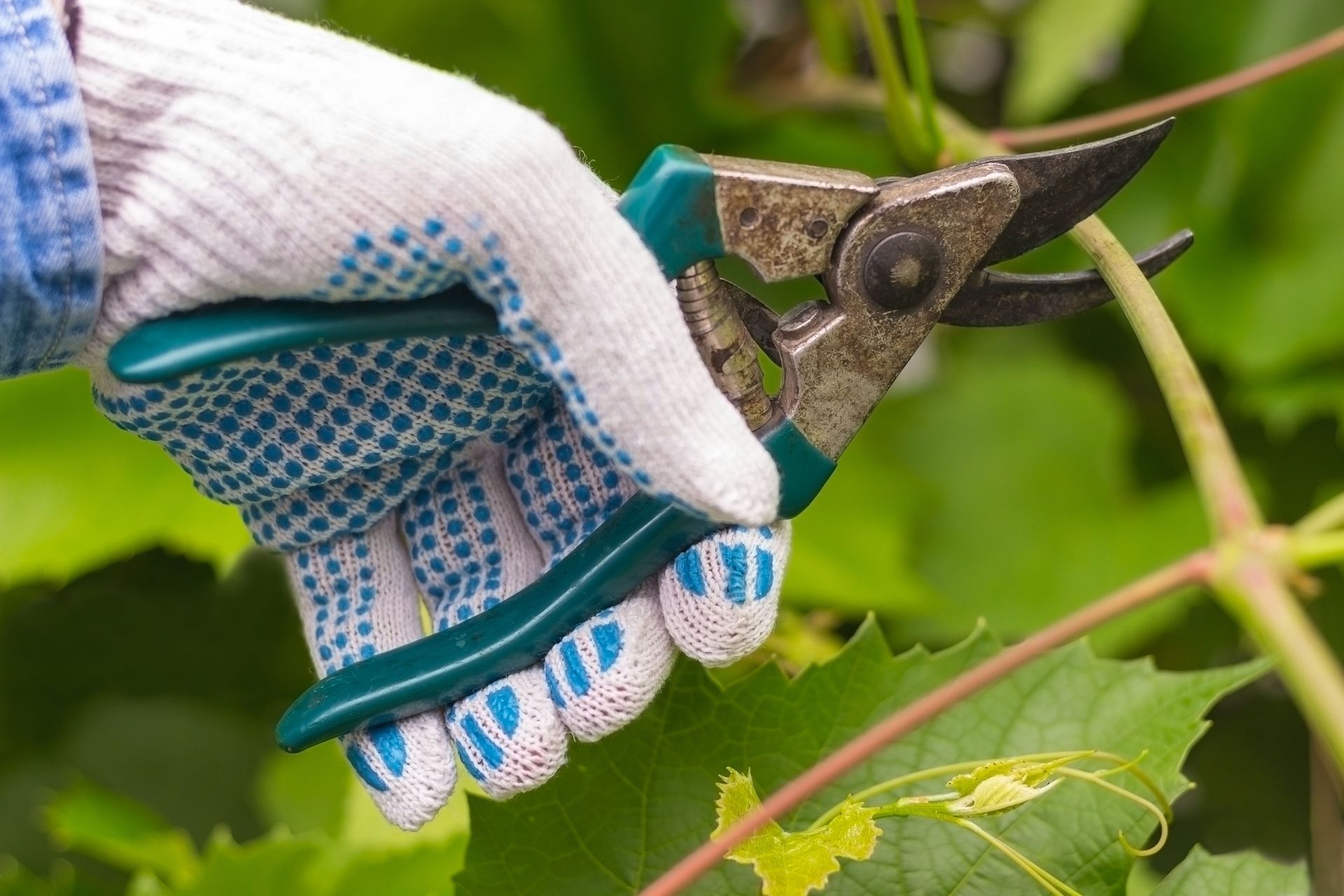
Healthy trees depend on more than sunlight, water, and suitable soil. Their long-term condition is also influenced by how branches develop, how weight is distributed, and whether damaged or poorly positioned growth is allowed to remain. Thoughtful pruning helps guide trees toward stronger forms while reducing problems that can become more difficult to correct as they mature. For homeowners, professional tree pruning services offer a practical way to support future growth without making unnecessary cuts.
Pruning is most effective when it is based on the tree's species, age, condition, and location. Removing the right branches at the right time can improve structure, allow healthier growth, and help trees coexist more safely with homes, walkways, and surrounding landscaping. Rather than simply cutting back branches for appearance, skilled pruning focuses on the long-term needs of the tree and the property around it.
Promoting Stronger Branch Structure
One of the primary goals of tree pruning services is to encourage a stable branch structure. Young and developing trees may produce competing leaders, crossing branches, or limbs that grow at weak angles. If these conditions are left unaddressed, they can become more pronounced as the tree increases in size and weight.
Selective pruning can remove or reduce branches that compete with the tree's strongest framework. This gives healthier limbs more room to develop and improves spacing throughout the canopy. A balanced structure may distribute weight more effectively, reducing strain on individual branches.
Structural pruning can be especially valuable when performed earlier in a tree's life. Small corrections may prevent larger problems from developing later, when branches are thicker and more difficult to remove. Professional tree pruning services can evaluate branch patterns and make targeted cuts that support the natural form of the tree rather than forcing an unnatural shape.
Managing Growth as Trees Mature
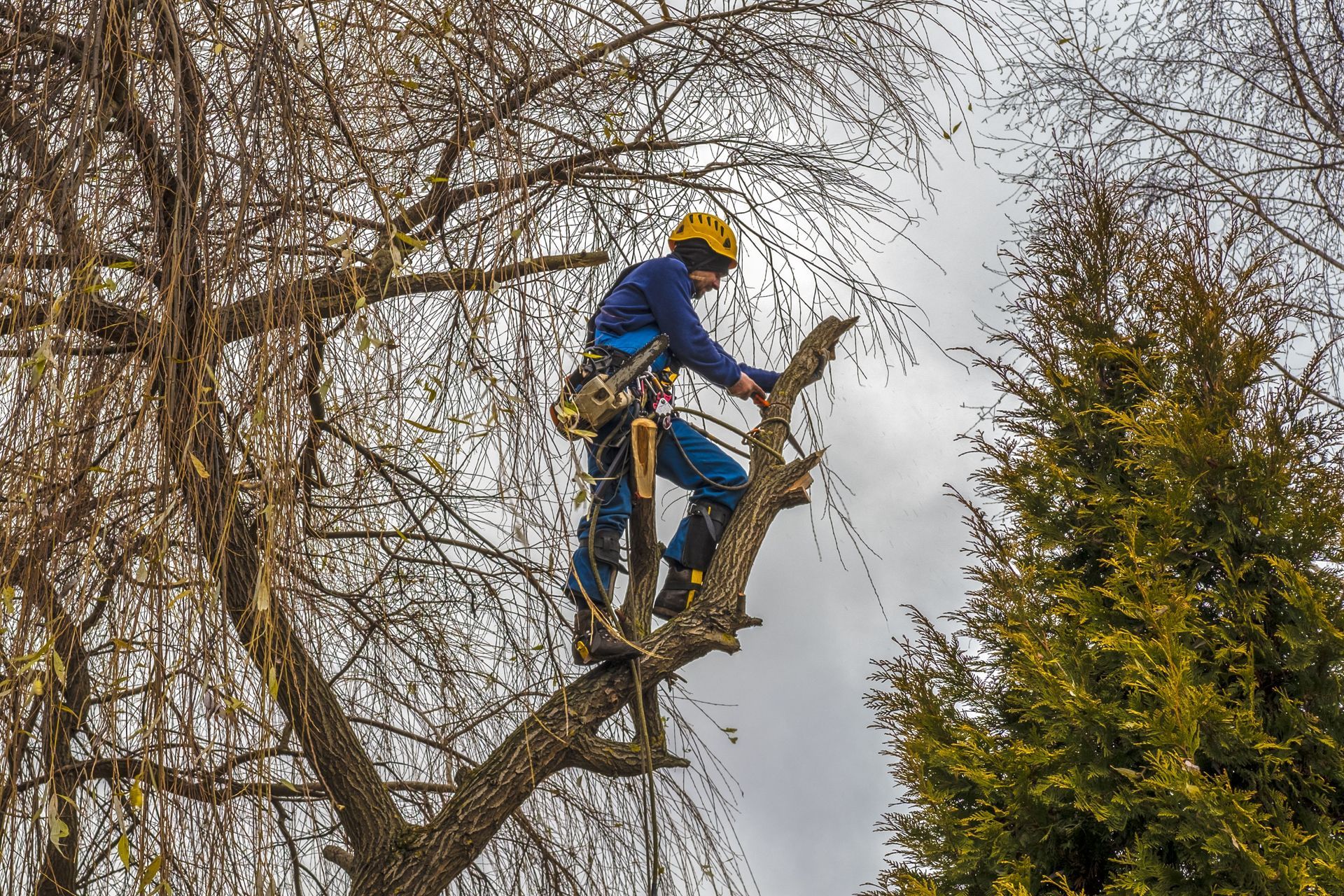
Trees can change significantly as they grow, making ongoing evaluation important. According to Lawn Love, trees measuring less than 30 feet are typically considered small, while trees that reach 60 feet or more are classified as tall. As trees become larger, their branches may extend closer to roofs, utility areas, neighboring properties, or frequently used outdoor spaces.
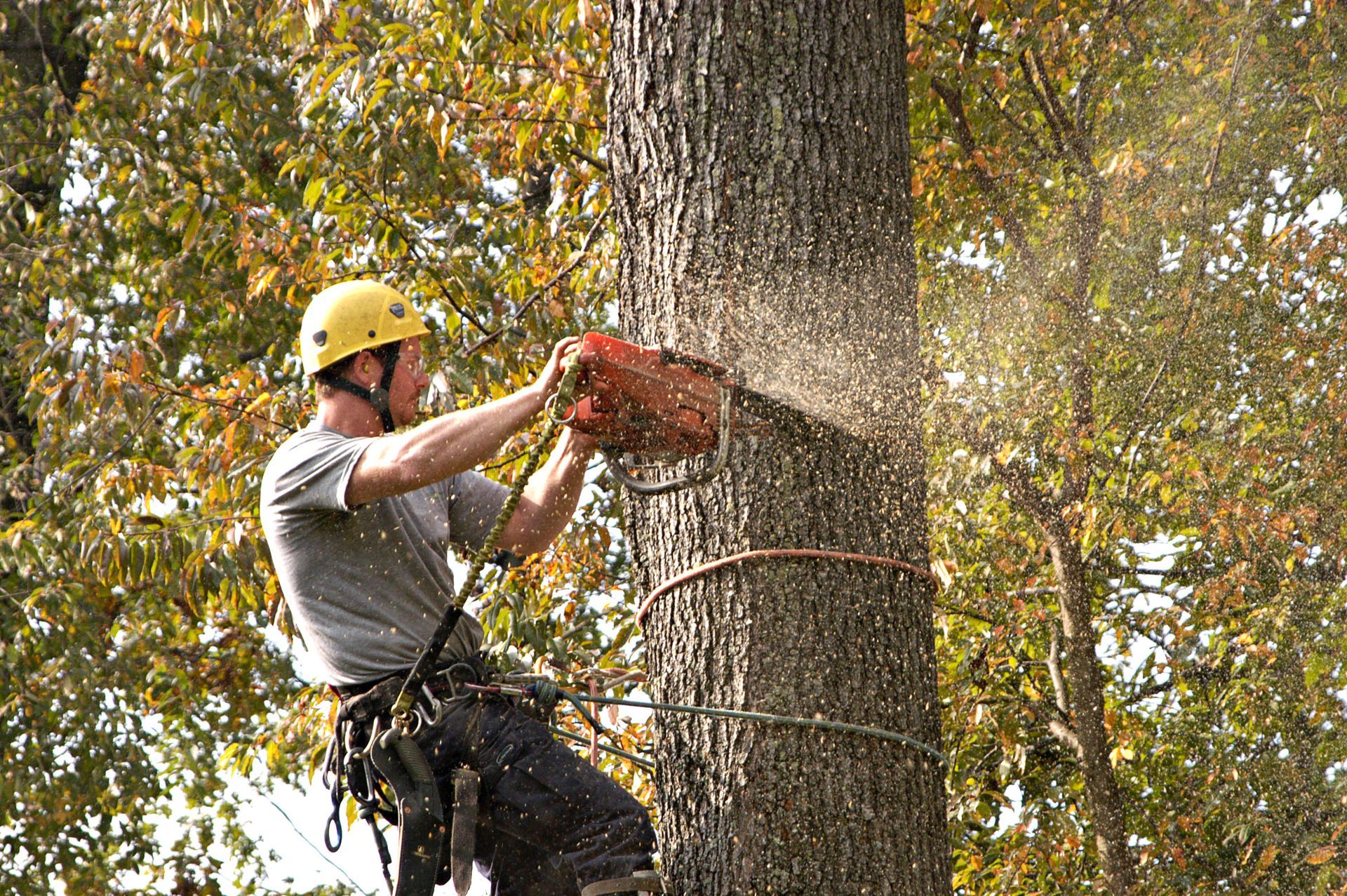
Tree pruning services can help manage this growth before branches create conflicts. Pruning may be used to provide clearance, reduce excessive weight on certain limbs, or redirect growth away from structures. These adjustments can support the tree while helping the surrounding property remain functional.
Managing growth does not mean continually reducing a tree's overall size. Excessive cutting can interfere with normal development and create additional stress. Instead, pruning should focus on specific objectives and preserve as much healthy growth as possible. A measured approach allows mature trees to retain their character while addressing branches that have become problematic.
Removing Damaged and Problematic Branches
Broken, dead, diseased, or weakened branches can affect both tree structure and the condition of the surrounding canopy. Removing these branches can prevent them from continuing to place unnecessary weight on the tree or interfering with healthy limbs. It can also improve the overall appearance of the tree by eliminating visibly damaged growth.
Professional tree pruning services can identify branches that should be removed and determine where cuts should be made. Proper cuts are important because poorly placed cuts can damage surrounding tissue or leave unnecessarily large wounds. Careful pruning supports the tree's natural response to injury and reduces the chance of causing avoidable harm.
Problematic branches are not always dead or broken. Some may rub against one another, grow inward toward the trunk, or create excessive crowding. Removing selected branches can improve spacing and help preserve a stronger canopy structure. This maintenance is especially useful after storms or rapid growth when structural concerns may become more noticeable.
Improving Canopy Balance and Light Distribution
A dense or uneven canopy can create challenges for both the tree and nearby landscaping. When branches become crowded, some areas may receive less light and airflow than others. Uneven growth can also place greater weight on one side of the tree, particularly when branches have been allowed to extend without corrective pruning.
Tree pruning services can selectively thin or reduce certain branches to improve canopy balance. The goal is not to remove large amounts of foliage, but to create better spacing where necessary while maintaining the tree's natural shape. Strategic pruning can allow more light to move through the canopy and reach lower branches or surrounding plants.
Better canopy balance can also improve the visual relationship between trees and the rest of the landscape. A tree that has been carefully pruned may frame a home, open sightlines, or reduce excessive shading without appearing overly shaped. Maintaining this balance requires judgment because each tree responds differently depending on its growth pattern and environment.
Reducing Future Maintenance Concerns
Routine pruning can help property owners address small concerns before they become larger maintenance issues. A narrow branch attachment, low-growing limb, or developing conflict with a structure may be easier to correct before the branch gains significant size. Waiting too long can make the work more complicated and may require removal of a larger portion of the canopy.
Tree pruning services provide an opportunity to monitor changes in tree structure over time. During pruning, professionals can assess developing branches, note areas of weakness, and determine whether additional attention may be needed in the future. This observation can help homeowners make informed decisions about tree care.
Consistent maintenance may also make it easier to preserve established trees as landscapes change. New fences, patios, additions, gardens, or walkways can alter how people use the space around a tree. Strategic pruning can help maintain clearance and accessibility while limiting unnecessary removal. When pruning is planned rather than reactive, trees can remain valuable landscape features for many years.
Supporting Healthy Long-Term Development
Long-term tree care depends on making pruning decisions that support future growth rather than focusing only on immediate appearance. Every cut changes how a tree develops, so unnecessary or overly aggressive pruning can create new problems. Techniques such as topping, which removes large portions of the upper canopy without regard for natural structure, can lead to weak regrowth and an unbalanced form.
Professional tree pruning services are designed to work with the tree's existing structure. Pruning can encourage stronger branch relationships, remove damaged growth, and preserve a canopy that is appropriate for the tree's setting. The best approach may vary depending on whether the tree is young, mature, recently damaged, or growing near structures.
Regular assessment is also important because trees continue to respond to weather, soil conditions, nearby construction, and normal aging. A pruning plan that was appropriate several years ago may need to change as the tree develops. By adjusting care over time, property owners can support healthier growth while reducing avoidable structural concerns.
Trees are long-term features that can add shade, visual interest, and character to a property. Maintaining them requires attention to how they grow, where branches are developing, and whether damage or crowding is affecting their structure.
Tree pruning services can play an important role in guiding that development through selective, well-timed maintenance.
Rather than waiting until branches become oversized, damaged, or disruptive, routine pruning gives homeowners a way to manage tree structure proactively. With careful attention to branch health, canopy balance, clearance, and future growth, pruning can help trees remain better suited to their surroundings as they mature. Call Eden Tree Service today to schedule your tree trimming or removal service.