November 6, 2026
Healthy trees provide shade, improve outdoor spaces, support wildlife, and contribute to environmental well-being. However, maintaining their health requires more than occasional attention. Proper trimming and pruning help trees develop strong structures, address damaged branches, and maintain their natural appearance. Without appropriate maintenance, trees may develop structural weaknesses that increase the risk of damage during severe weather.
Professional tree services can help property owners understand when pruning is necessary and which techniques best support their trees. According to Lawn Love, most trees need trimming every 3 to 5 years. However, the ideal schedule depends on the tree's species, age, health, and growing conditions. Understanding the benefits of proper pruning allows property owners to make informed decisions about long-term maintenance.
Understanding How Pruning Supports Tree Growth
Improving Sunlight Exposure and Air Circulation
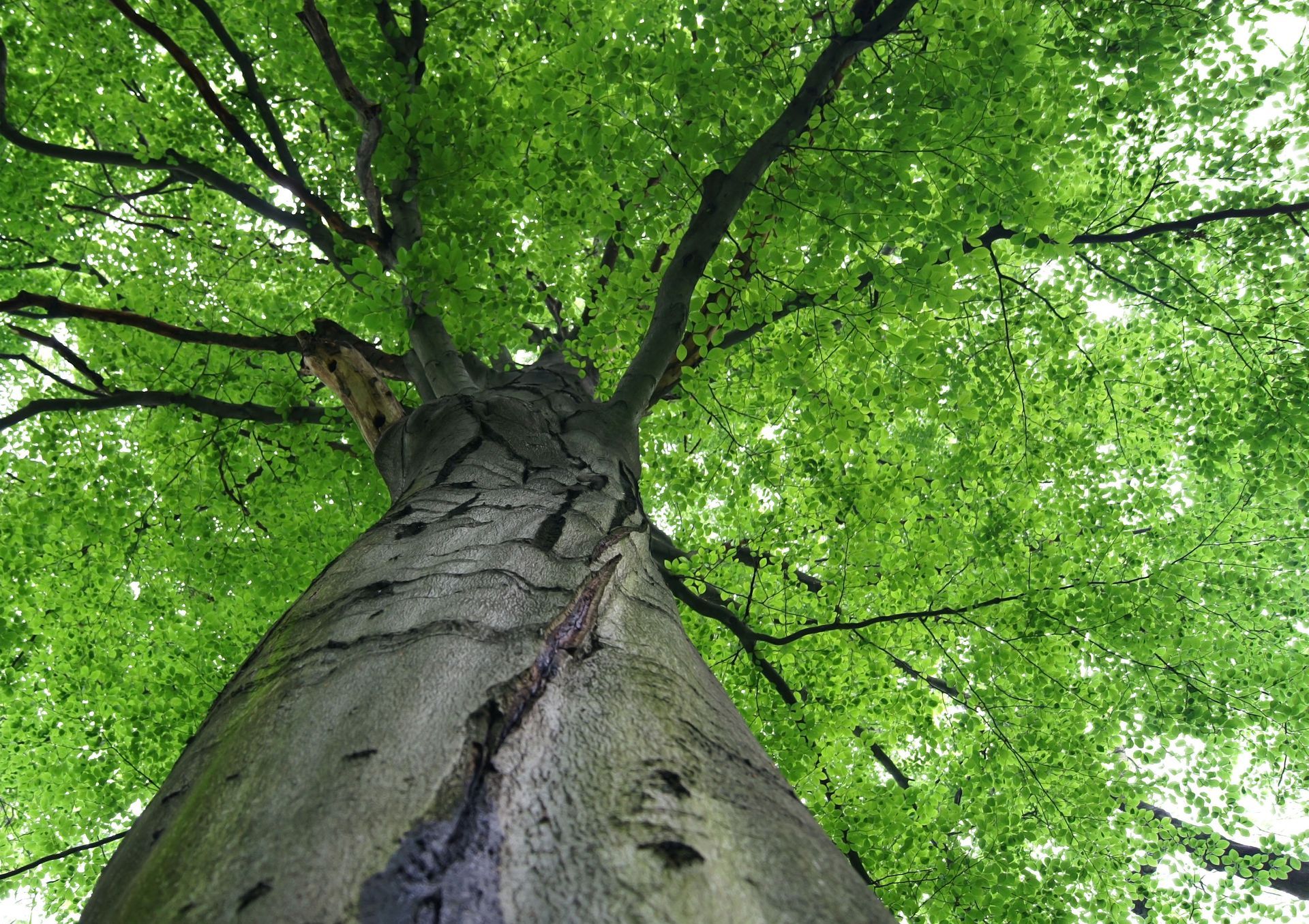
Trees rely on photosynthesis to convert sunlight into energy for growth and maintenance. Their leaves absorb sunlight, allowing them to produce the carbohydrates necessary for healthy development. While a full canopy is often beneficial, certain branches may create excessive crowding or interfere with surrounding growth.
Selective pruning can improve sunlight penetration and air circulation within a tree's canopy. Removing poorly positioned or competing branches may also create better growing conditions for the remaining foliage.
However, removing excessive foliage can reduce photosynthetic capacity. Proper pruning should maintain sufficient leaf coverage while addressing specific structural or health concerns.
Supporting Balanced Structural Development
Branches develop differently depending on sunlight availability, environmental conditions, and the tree's natural growth pattern. Some trees develop competing leaders, closely spaced branches, or weak attachments that may become problematic as they mature.
Strategic pruning can guide growth by removing competing or poorly attached branches before they develop into larger structural concerns. This approach is particularly beneficial for young trees because smaller corrective cuts generally create less extensive wounds.
Professional tree services can assess branch arrangements and recommend techniques that encourage stable, balanced development without unnecessarily altering a tree's natural form.
Maintaining Tree Health Through Routine Pruning
Removing Dead and Damaged Branches
Dead, broken, and diseased branches can create safety concerns, particularly when positioned above walkways, buildings, or frequently used outdoor spaces. Damaged limbs may also provide openings for decay organisms, depending on the circumstances.
Removing these branches can reduce certain hazards and help prevent additional damage caused by broken limbs rubbing against healthy growth.
Property owners should monitor trees for hanging branches, visible cracks, peeling bark, and unusual changes in foliage. These symptoms do not always indicate serious problems, but they may justify a professional inspection.
Reducing Structural Weaknesses
Trees naturally develop branches of different sizes and orientations. However, some growth patterns increase the likelihood of branch failure, especially during high winds, heavy snowfall, or ice accumulation.
Branches with narrow attachment angles, included bark, or significant structural defects may require professional attention. Corrective pruning can sometimes reduce the likelihood of failure by addressing specific weaknesses.
Regular inspections are an important component of preventive maintenance. Identifying structural concerns early may allow arborists to recommend less invasive interventions.
Choosing the Appropriate Time for Pruning
Considering Seasonal Growth Patterns
Pruning schedules should reflect each tree's species, condition, and growth cycle. For many deciduous trees, late winter or early spring can be an appropriate period because the trees are dormant and their branch structures are easier to examine.
However, dormant-season pruning is not universally ideal. Certain species may be more susceptible to disease transmission when pruned during particular seasons.
Flowering trees may also benefit from different schedules. Trees that bloom on older growth are often pruned after flowering to avoid removing developing flower buds.
Adjusting Maintenance to Individual Tree Needs
Although many trees benefit from trimming every few years, pruning frequency should reflect their actual condition rather than a fixed calendar. Young trees may need more frequent structural assessments, while established trees may require occasional corrective maintenance.
Environmental factors also influence maintenance needs. Trees exposed to storms, construction activity, or restricted growing spaces may require additional attention.
Qualified providers of tree services can evaluate individual trees and recommend appropriate maintenance schedules based on their growth patterns and structural conditions.
Applying Proper Pruning Techniques
Identifying Branches That Need Attention
Effective pruning begins with understanding which branches should be removed and why. Dead, damaged, diseased, and rubbing branches are common candidates for removal.
Branches growing toward buildings or obstructing necessary clearance may also require attention. However, the goal should be to resolve specific concerns while preserving as much healthy foliage as practical.
Arborists consider branch attachment, overall canopy structure, tree species, and future growth when planning pruning work. Careful assessment helps avoid unnecessary cuts that could weaken the tree.
Making Appropriate Pruning Cuts
Proper cutting techniques are essential for limiting damage. When removing a branch, cuts should generally be made just outside the branch collar, the slightly swollen area where the branch connects to the trunk or a larger limb.
Leaving long stubs or cutting into the branch collar can interfere with the tree's natural ability to compartmentalize wounds.
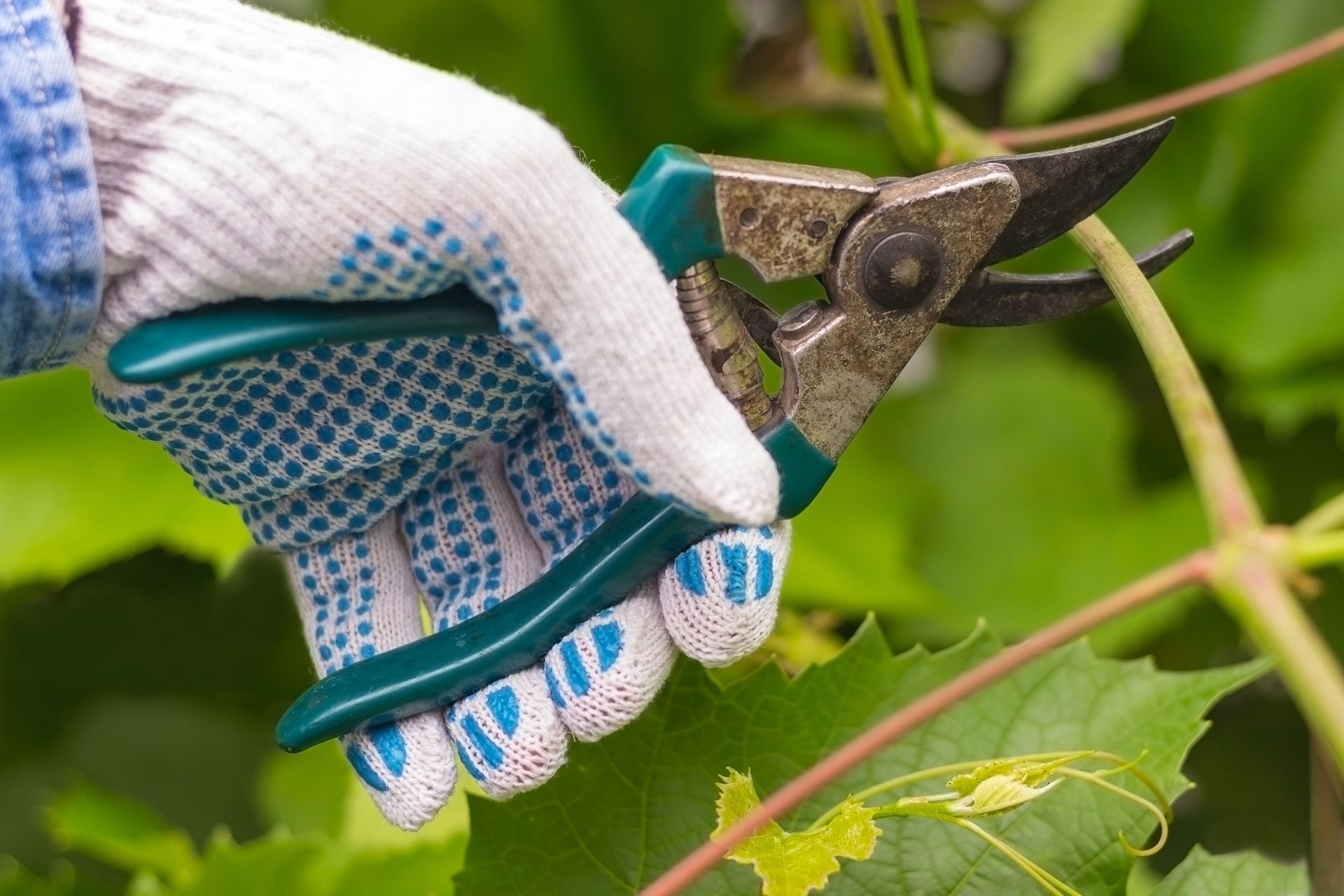
Larger branches often require a three-cut removal method to prevent bark tearing. Using sharp, appropriate tools also helps create clean cuts and reduces unnecessary injury.
Protecting Wildlife and Surrounding Landscapes
Preserving Important Natural Habitats
Trees provide nesting sites, shelter, and food for birds, insects, and other wildlife. Their branches and foliage contribute to biodiversity throughout residential neighborhoods and natural environments.
Thoughtful pruning should account for these ecological benefits. Before removing branches, property owners and arborists should check for active nests and wildlife activity.
Whenever practical and legally appropriate, non-urgent pruning can be scheduled to minimize disruption during sensitive nesting periods.
Supporting Healthy Landscape Conditions
Trees influence growing conditions for nearby plants. Their canopies regulate sunlight, moderate temperatures, and affect moisture levels beneath their branches.
Selective pruning may improve growing conditions for certain understory plants by allowing additional sunlight to reach the ground. However, excessive canopy removal can expose shade-adapted vegetation to unwanted heat and sunlight.
A balanced approach considers the needs of the tree alongside the surrounding landscape.
Recognizing When Professional Assistance Is Necessary
Evaluating Difficult or Hazardous Pruning Tasks
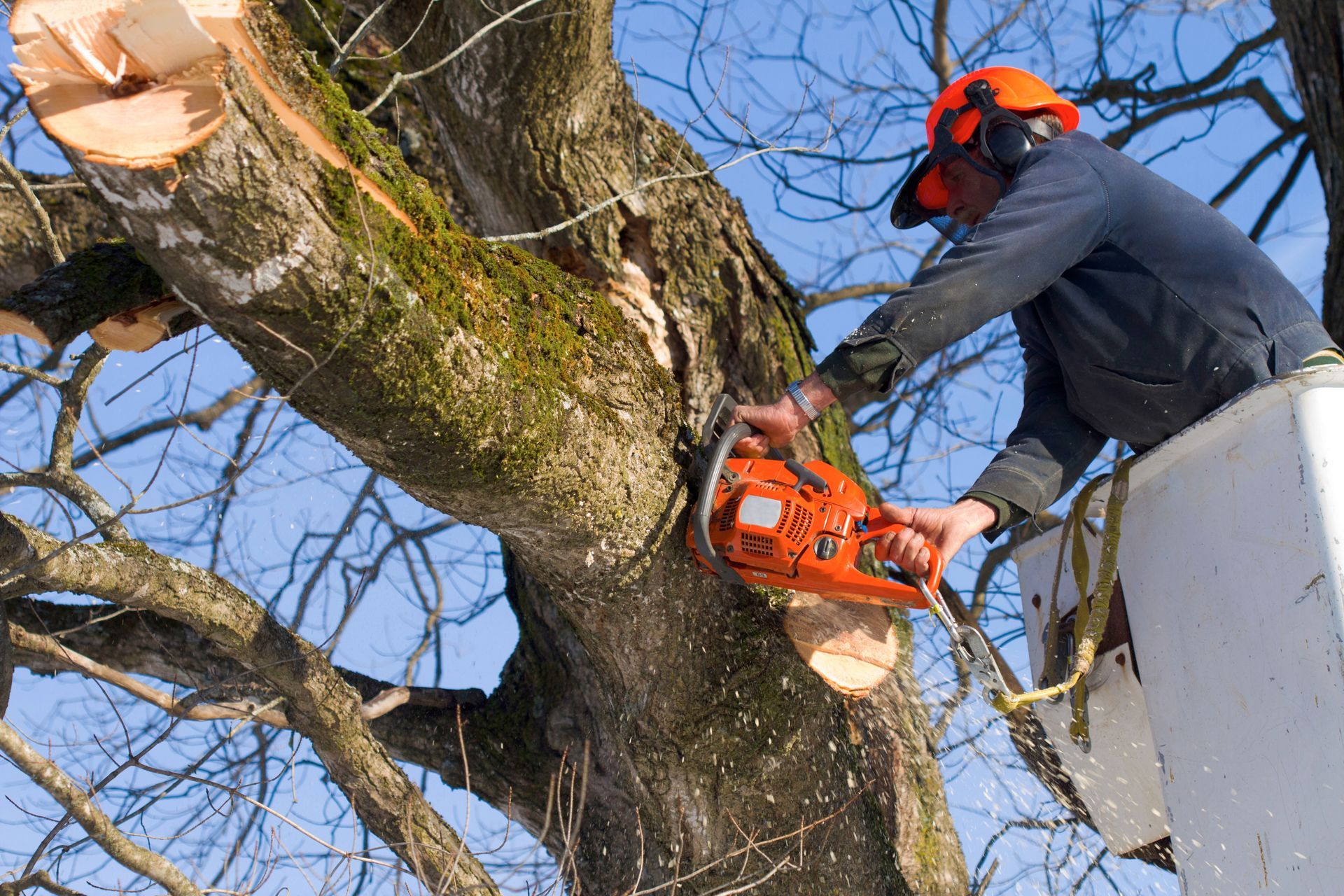
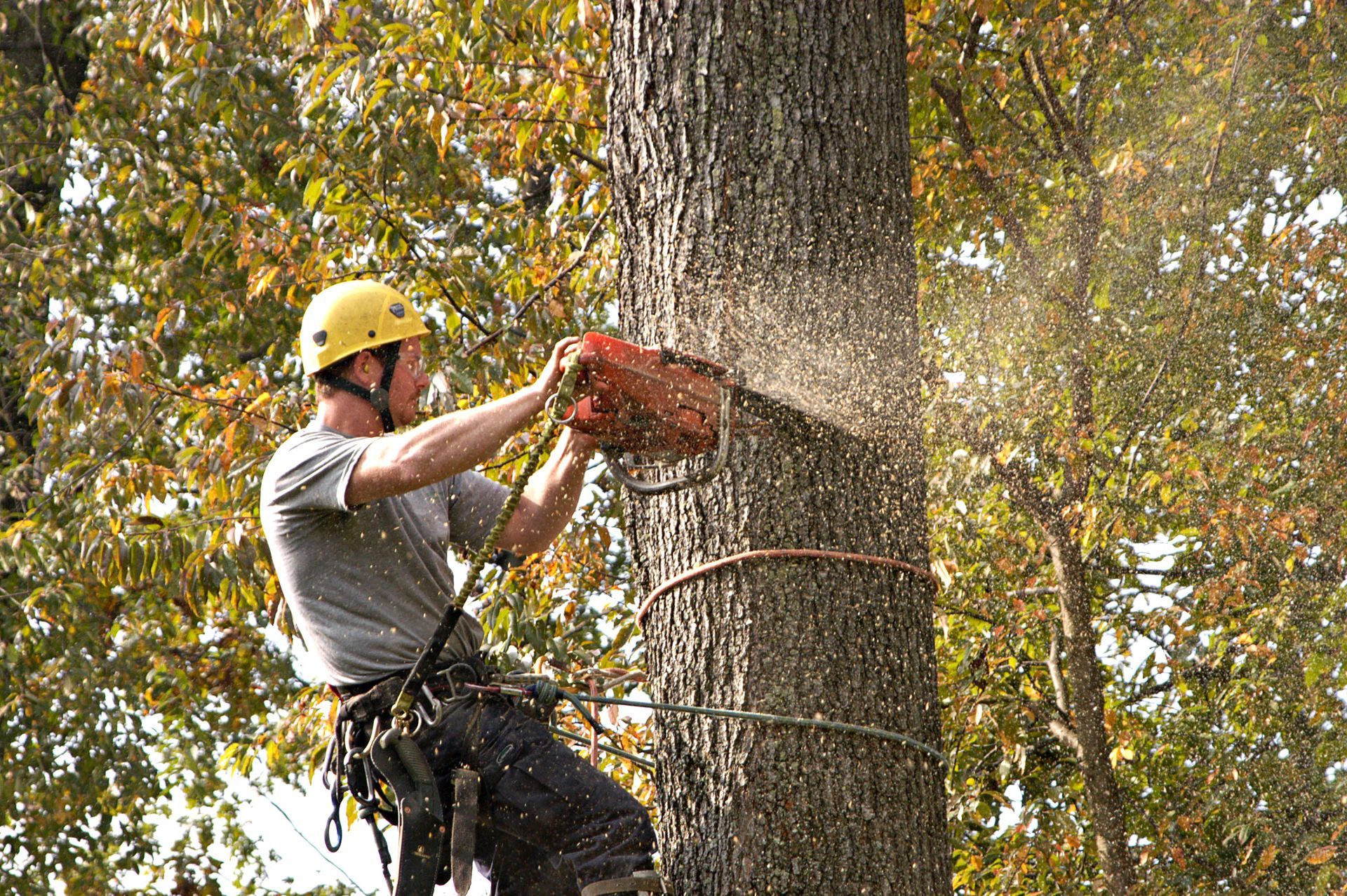
Small, accessible branches may sometimes be manageable for property owners with suitable tools and knowledge. However, pruning large branches, working at heights, and addressing trees near buildings present significant hazards.
Branches near electrical lines require particular caution. Property owners should never attempt this work themselves and should contact their utility provider or an appropriately qualified professional.
Professional tree services can provide specialized equipment, experience, and pruning techniques for more complex situations.
Addressing Tree Health Concerns
Unusual leaf discoloration, fungal growth, premature leaf loss, and damaged bark may indicate environmental stress, pests, or disease. Because symptoms can have several causes, accurate diagnosis is important before treatment.
Qualified arborists can assess these conditions and determine whether pruning, soil management, pest treatment, or another approach is appropriate.
Not every unhealthy tree requires extensive pruning. In some cases, protecting roots, improving growing conditions, or monitoring symptoms may provide greater benefits.
Planning for Long-Term Tree Health
Proper trimming and pruning are valuable parts of responsible tree maintenance. When performed correctly, these practices can improve structural development, address hazardous branches, and preserve the natural characteristics that make trees important to residential and commercial landscapes.
The most effective approach combines regular inspections, appropriate seasonal timing, and careful pruning techniques. Rather than removing branches unnecessarily, property owners should focus on maintaining healthy growth and addressing problems before they become more serious.
Eden Tree Service can assist property owners seeking professional
tree services to maintain their landscapes. With informed maintenance decisions and attention to individual tree needs, property owners can help protect their trees, surrounding structures, and outdoor environments for years to come.