May 22, 2026
Trees are undoubtedly one of the most valuable assets on any property. They provide essential shade during the blistering summer months, enhance the aesthetic appeal of your landscape, improve local air quality, and offer natural habitats for local wildlife. However, despite their majestic appearance and long lifespans, trees are living organisms that remain highly susceptible to diseases, pest infestations, severe weather conditions, and the general effects of old age.
As a property owner, it is your responsibility to monitor their health and structural integrity to ensure they remain a vibrant part of your landscape rather than becoming a dangerous liability. This ongoing responsibility often leads homeowners to a complex and sometimes emotionally fraught crossroads: deciding whether to invest in professional tree services to save a struggling tree or to make the difficult choice to have it completely removed from the property.
Assessing the Need for Routine Care
When a tree begins to show signs of distress, the immediate reaction of many property owners is to assume the worst. However, a significant portion of ailments can be effectively managed through targeted interventions and specialized care. Comprehensive tree services encompass a wide array of treatments designed to prolong the life and enhance the vitality of your landscaping.
These interventions can include precision pruning to remove dead or diseased branches, which not only improves the tree's appearance but also prevents the spread of decay to healthy sections. Additionally, deep root fertilization can provide a struggling tree with the essential nutrients it desperately needs to fight off infections and recover from environmental stressors like prolonged droughts. Pest management protocols and soil aeration are other critical components of a robust care strategy that can revitalize a tree that seems to be on the brink of death.
The key to successful preservation is early detection and proactive maintenance. According to Purdue, your trees should be inspected by an arborist every five years, especially if they show signs of decline and dieback. These routine inspections allow certified professionals to catch subtle, early warning signs of fungal infections or structural weaknesses before they escalate into irreversible problems. By committing to ongoing maintenance, you can often save a cherished tree, preserving the historical character of your property and allowing future generations to enjoy its magnificent canopy.
Identifying the Signs for Complete Removal
Despite our best efforts and the most advanced treatments available, there are inevitable situations where saving a tree is simply not feasible or safe. Complete extraction becomes an absolute necessity when a tree poses a direct, unmitigated threat to human life, nearby structures, or the surrounding ecosystem.
One of the primary indicators that removal is imminent is widespread, irreversible decay in the main trunk or root system. If more than fifty percent of the tree is significantly damaged, dead, or rotting, its structural integrity is fundamentally compromised, making it a severe hazard during high winds or heavy snowfall.
Furthermore, if a tree has developed a sudden, dramatic lean toward a home, driveway, or power line, it often requires emergency tree services to dismantle it before a catastrophic failure occurs.
Another critical factor to consider is the proximity of the tree's root system to vital infrastructure. Aggressive roots can stealthily infiltrate plumbing lines, crack foundational walls, and lift concrete sidewalks, causing extensive and costly property damage over time. In some cases, a tree may also need to be removed if it is heavily infested with a highly contagious, incurable disease that threatens to decimate other healthy vegetation in the area. In these grim scenarios, extraction is not just a landscaping choice; it is a vital safety measure designed to protect your home and your community from devastating consequences.
Evaluating the Costs of Each Approach
Financial considerations inevitably play a massive role in the decision-making process when dealing with problematic landscaping. At first glance, property owners might assume that simply cutting down a troubled tree is the most cost-effective and permanent solution. However, a deeper financial analysis reveals a much more nuanced reality. Investing in tree services for routine maintenance—such as annual pruning, cabling, or pest control—is often significantly less expensive in the long run than paying for a complex, full-scale extraction.
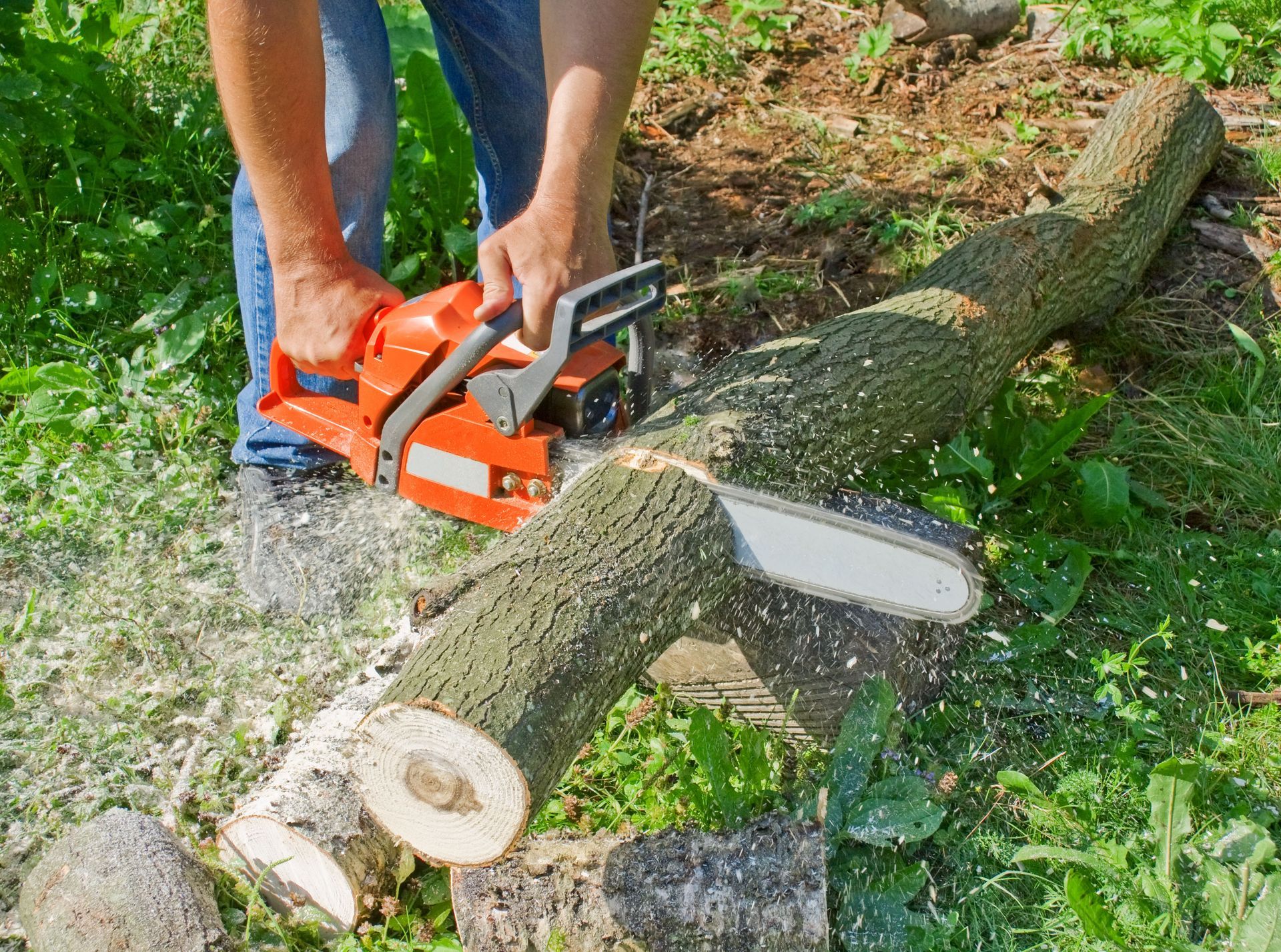
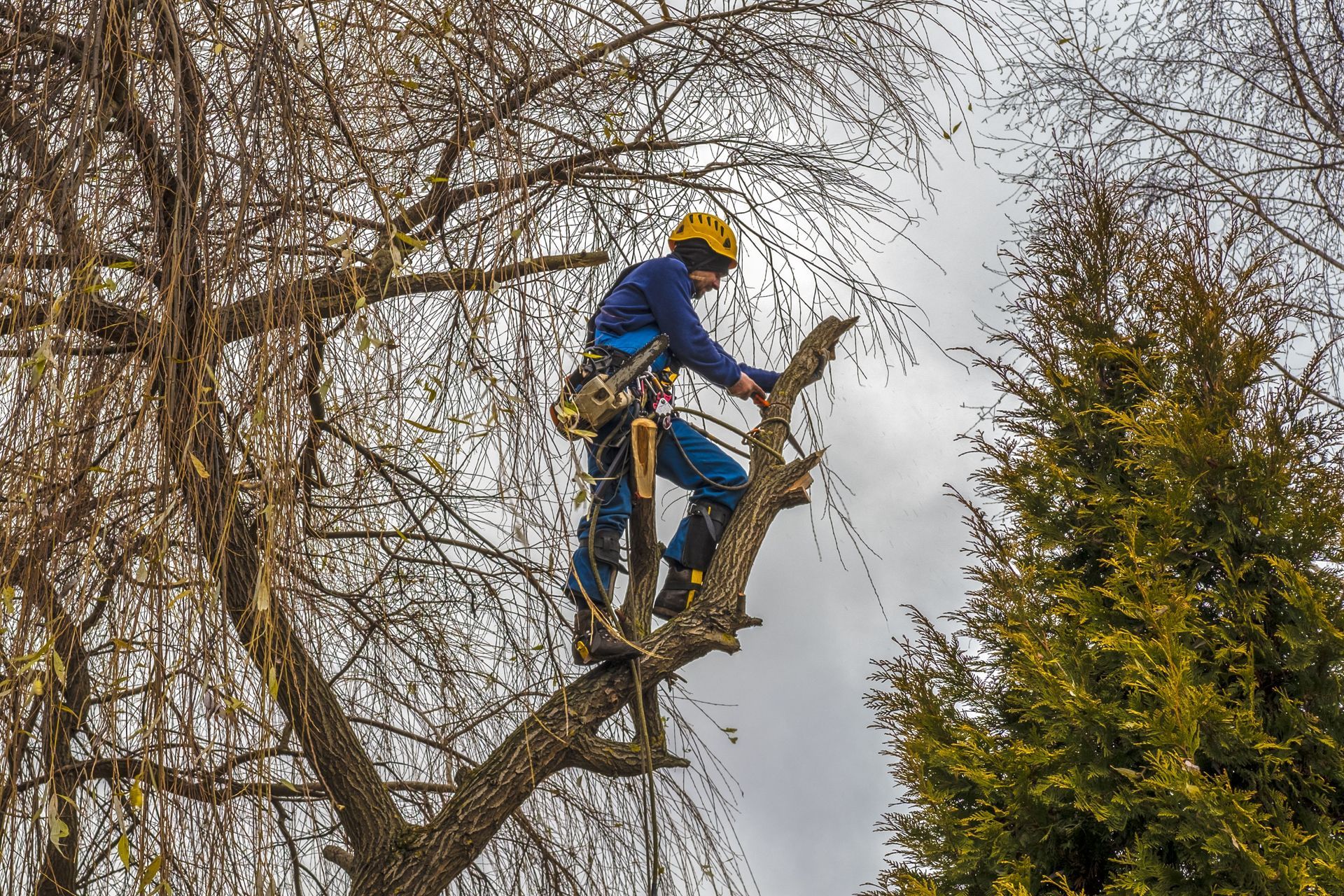
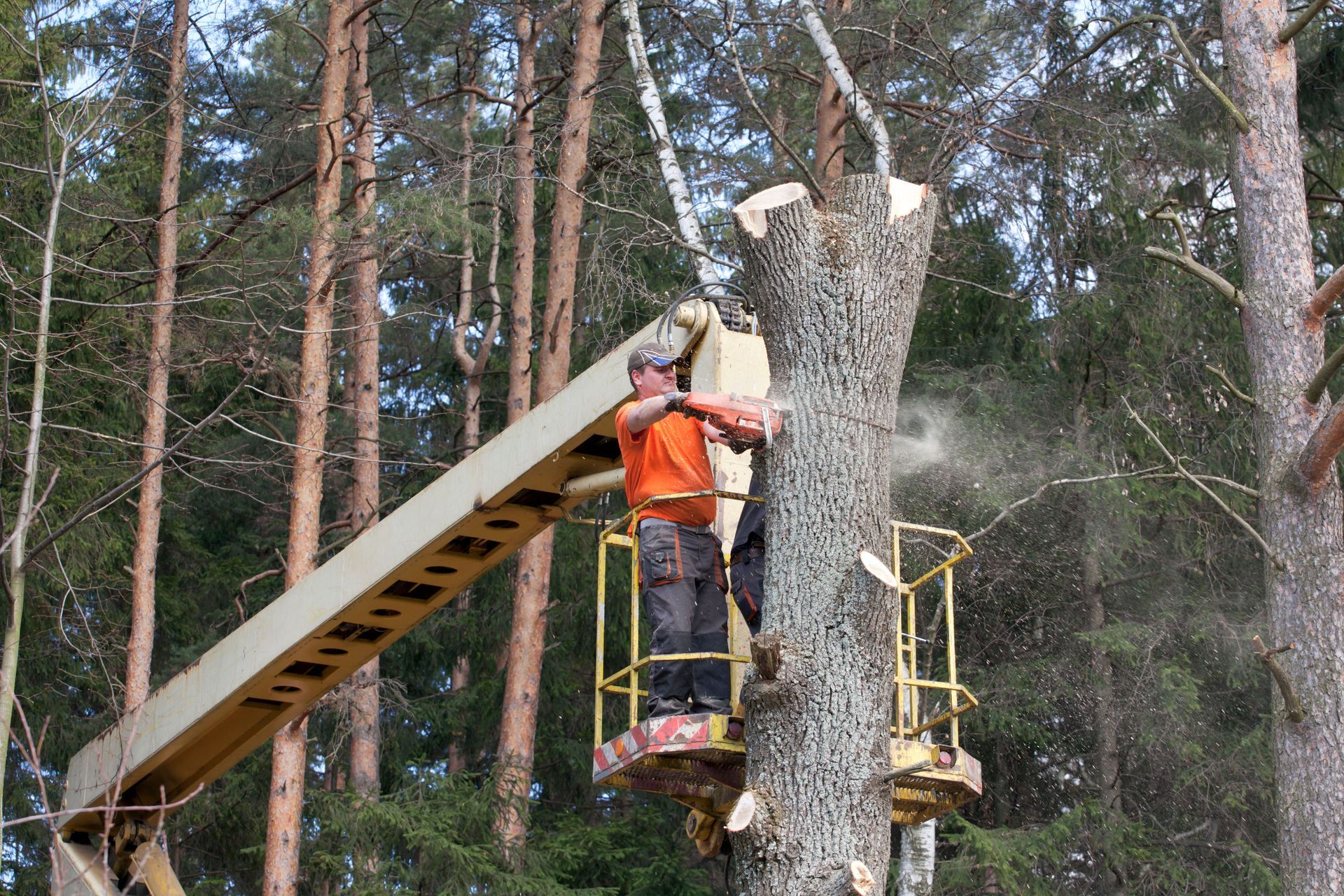
Removal is an inherently dangerous and labor-intensive process that requires specialized heavy machinery, comprehensive liability insurance, and highly trained personnel, especially if the tree is located near delicate structures or complex networks of power lines. Furthermore, the financial impact of elimination extends far beyond the initial quote from a contractor. Removing a large, mature tree can drastically alter the microclimate of your property, leading to increased cooling costs in the summer due to the sudden loss of natural shade. It can also decrease the overall aesthetic and monetary value of your real estate, as mature landscaping is a highly sought-after feature for potential home buyers.
Conversely, while ongoing treatments require a continuous financial commitment, preserving a healthy, mature tree yields substantial long-term dividends in energy savings, improved property value, and unparalleled curb appeal. Therefore, it is essential to weigh the immediate out-of-pocket expenses against the long-term economic impacts when choosing between maintenance and extraction.
Making the Choice for Your Landscape
Bringing all these factors together to make a final, confident decision can feel overwhelmingly complex. The intersection of emotional attachment, financial constraints, and practical safety concerns requires a highly methodical and balanced approach. Start by prioritizing safety above all else; if a professional determines that a tree is structurally unsound and poses an immediate danger of collapsing, extraction is the only responsible course of action, regardless of your personal fondness for the tree.
If the tree is deemed fundamentally safe but is struggling aesthetically or functionally, you must then evaluate the realistic probability of a successful recovery. This is where professional insight becomes completely invaluable. A certified arborist can provide you with a detailed prognosis, clearly outlining the exact treatments required, the estimated timeline for recovery, and the associated costs.
You must also consider your own long-term vision for the property. Are you planning to build an addition to your home that would inevitably encroach upon the tree's critical root zone? Are you fundamentally redesigning your garden layout? Sometimes, a tree simply outgrows its designated space and must be removed to accommodate necessary property improvements. By carefully balancing professional recommendations, rigorous safety assessments, and your personal landscaping goals, you can arrive at a practical decision that perfectly aligns with your property’s future, knowing that expert tree services can execute your vision safely.
In the end, the debate between investing in ongoing preservation and opting for total removal must be resolved on a strict, case-by-case basis. There is no universal, one-size-fits-all answer, as every tree, every property, and every homeowner's situation is unique. Maintaining an open, ongoing dialogue with certified arborists and landscape professionals is the most effective way to navigate these challenging decisions with absolute confidence and clarity.
Your property is a significant investment, and the living landscape that surrounds it deserves careful, deliberate stewardship. Whether you ultimately choose to nurture a struggling sapling back to vibrant health or safely dismantle a massive, decaying oak that threatens your roof, the primary goal remains the same: fostering a safe, beautiful, and sustainable outdoor environment.
By staying proactively educated about the complex needs of your landscape and partnering with reliable tree services when problems inevitably arise, you can ensure that your outdoor spaces remain a source of profound pride, comfort, and natural beauty for many decades to come. Commit today to evaluating the health of your trees and take the necessary steps to secure the longevity and safety of your cherished property. Whether you need to revitalize a struggling oak or safely remove a hazardous stump, contact Eden Tree Service today. We provide professional tree services tailored to keep your property beautiful, safe, and thriving year-round.