May 20, 2026
Residential deciduous trees add beauty, shade, and value to a property throughout the year. From the vibrant colors of autumn leaves to the cooling shade offered in summer, these trees contribute significantly to the appearance and comfort of a home landscape. However, maintaining healthy deciduous trees requires more than occasional watering or seasonal cleanup. Proper tree care involves specialized knowledge, ongoing monitoring, and professional techniques that support long-term growth and structural stability.
Tree arborists are trained professionals who specialize in the care and maintenance of trees. They understand how different tree species grow, respond to environmental stress, and react to disease or damage. Their work helps homeowners protect their trees while improving the safety and appearance of residential properties. Here is a closer look at what arborists do to care for residential deciduous trees and why their services are so valuable.
Evaluating Tree Health and Structural Condition
One of the first things arborists do when caring for residential deciduous trees is a thorough health assessment. Trees may appear healthy on the outside while hiding internal problems such as decay, root damage, insect infestations, or disease. Arborists are trained to recognize subtle warning signs before they become severe.
During an inspection, tree arborists examine the trunk, bark, branches, canopy, and root zone for abnormalities. They look for dead limbs, fungal growth, cracks, hollow areas, poor branch attachments, and signs of pest activity. They also assess the overall structure of the tree to determine whether it poses any risk to nearby homes, vehicles, walkways, or power lines. Regular evaluations allow arborists to identify developing issues early. This proactive approach can help prevent major damage while preserving the long-term health and stability of the tree.
Pruning for Health, Appearance, and Safety
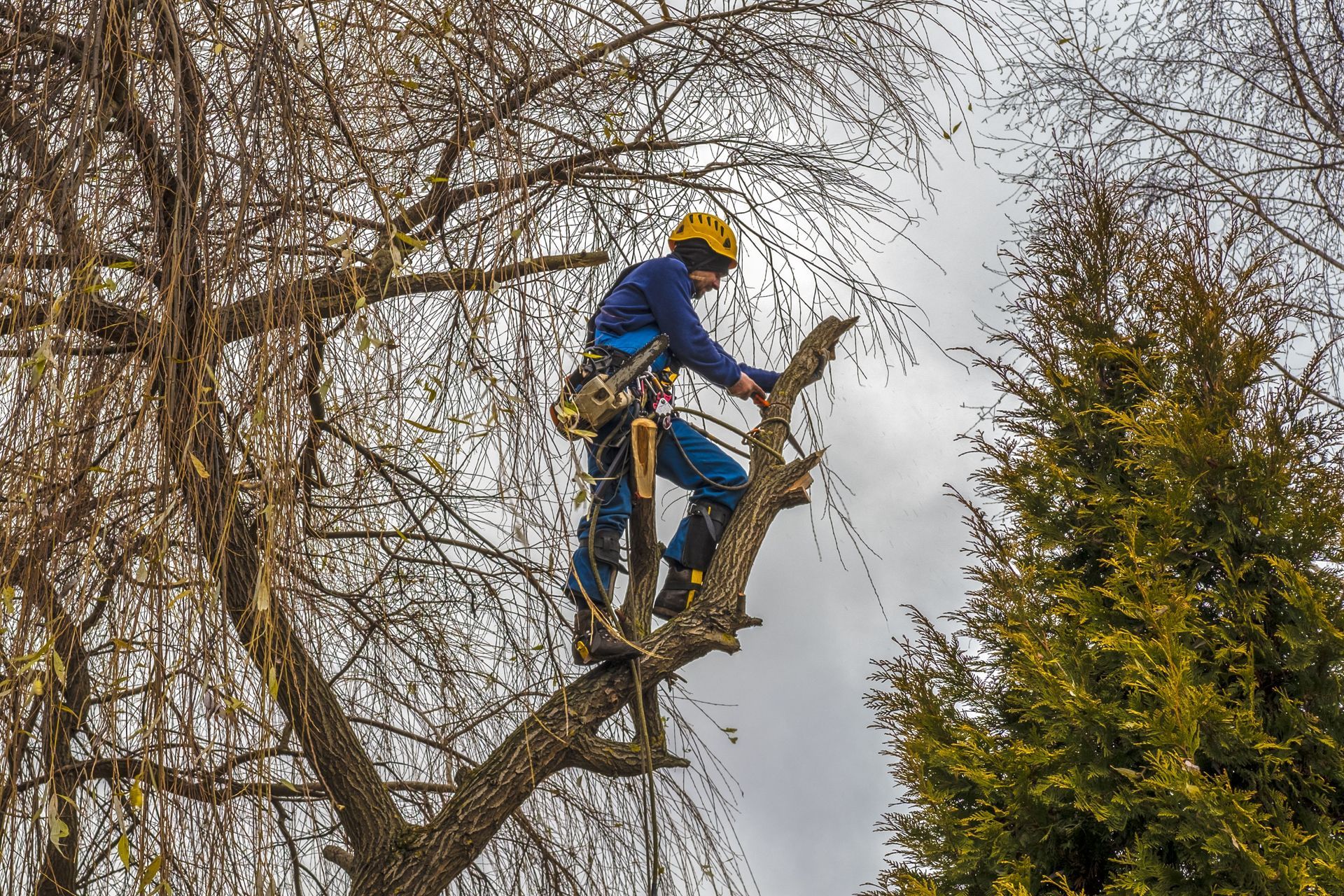
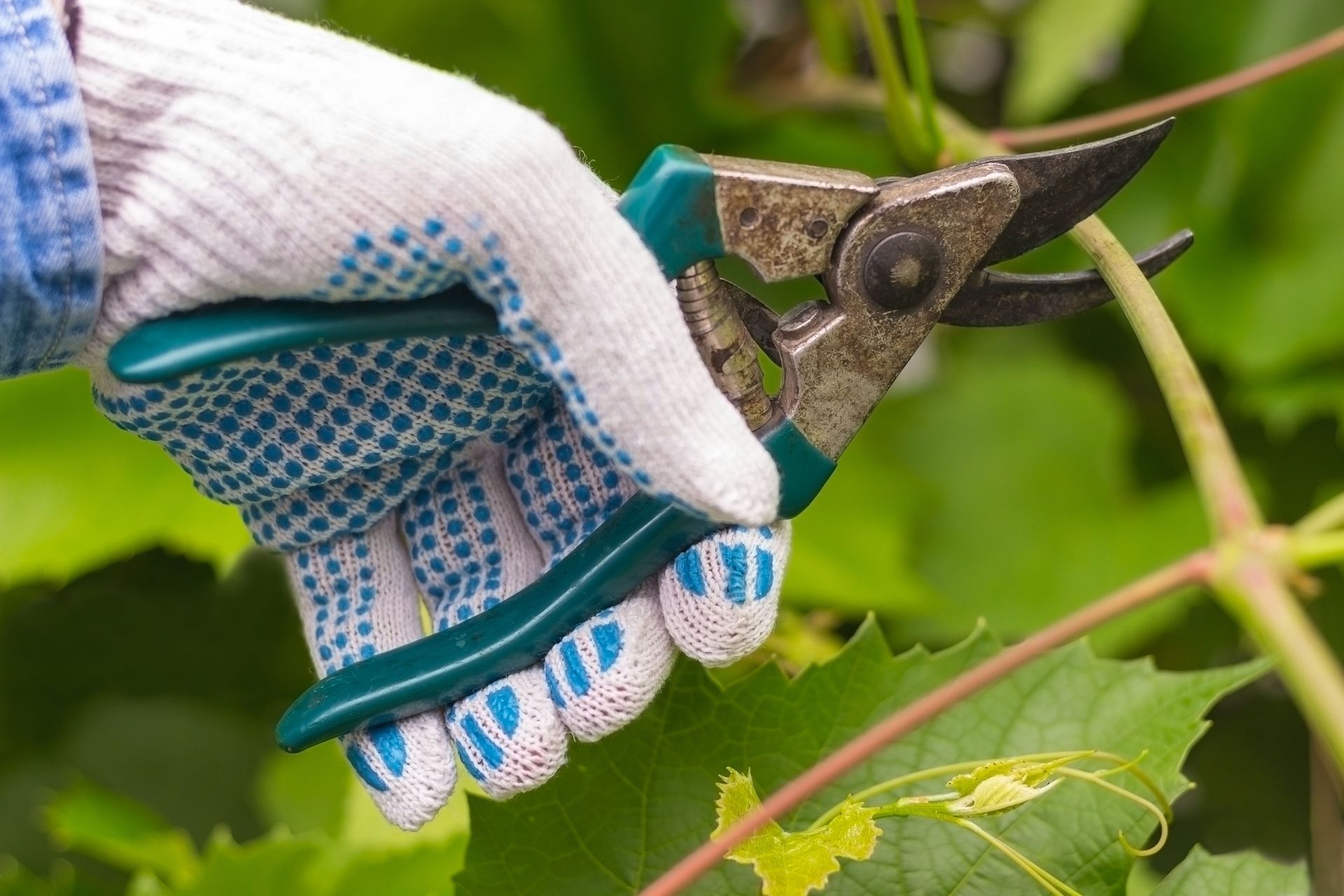
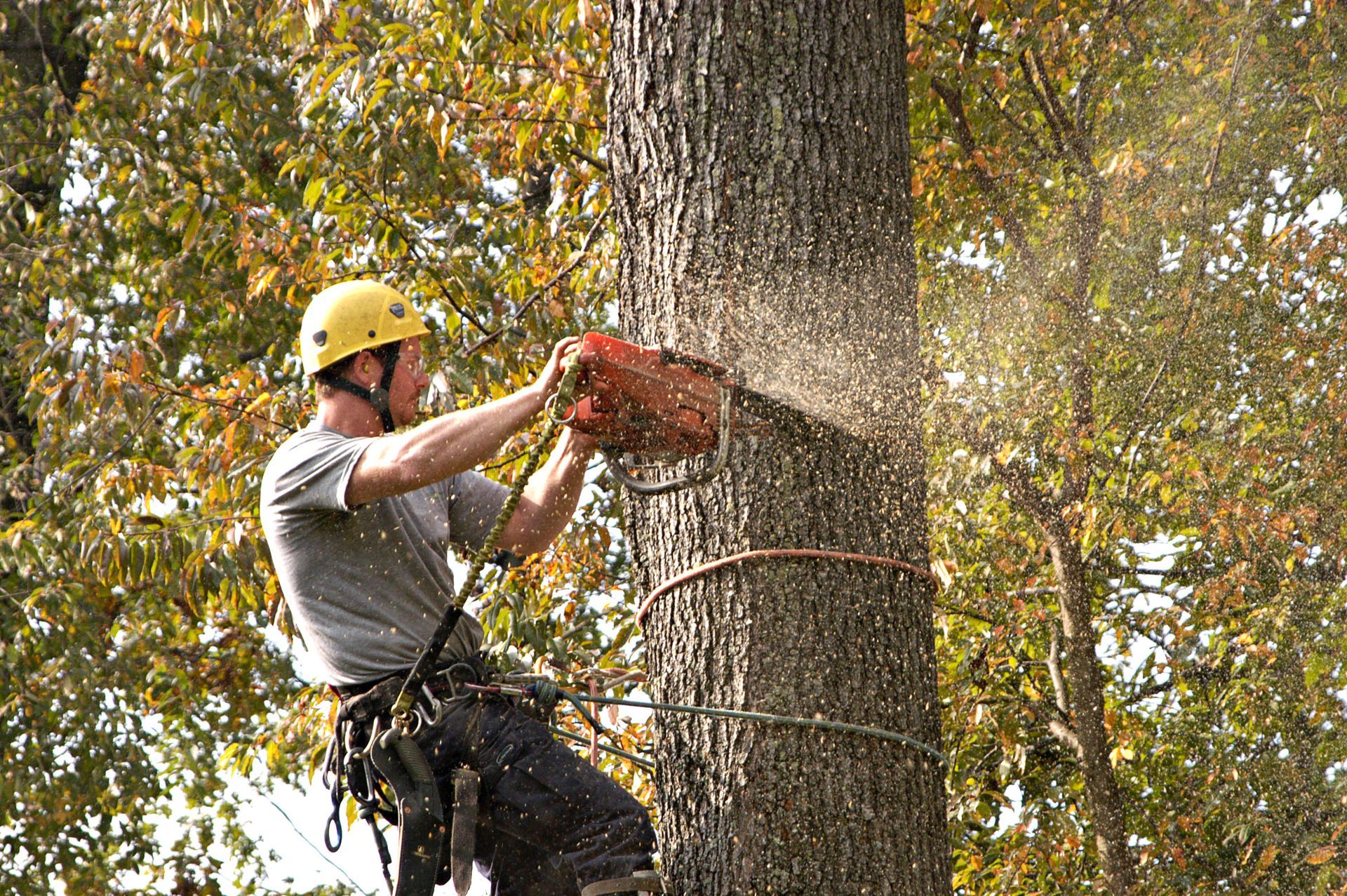
Pruning is one of the most important services arborists provide for deciduous trees. Proper pruning improves tree structure, encourages healthy growth, and reduces safety risks caused by weak or damaged branches. Arborists carefully remove dead, diseased, or broken limbs that could fall during storms or high winds. They also thin crowded branches to improve airflow and sunlight penetration throughout the canopy. Better airflow can reduce the likelihood of fungal diseases while supporting healthier leaf growth.
In addition to health-related pruning, tree arborists shape trees to maintain attractive growth patterns and balanced structure. Young deciduous trees especially benefit from strategic pruning because it helps guide their future growth and prevents structural weaknesses from developing over time. Professional pruning techniques are designed to protect the tree from unnecessary stress while supporting healthy recovery after cuts are made.
Managing Tree Diseases
Deciduous trees can be vulnerable to a wide range of diseases that affect leaves, bark, roots, and branches. Common issues include anthracnose, leaf spot diseases, powdery mildew, cankers, root rot, and bacterial infections. Left untreated, these problems may weaken or even kill the tree.
Arborists are trained to diagnose tree diseases accurately and develop treatment plans tailored to the specific condition. They examine symptoms carefully to determine whether environmental stress, fungi, bacteria, or poor growing conditions are contributing to the issue.
Treatment methods may include pruning infected branches, improving soil conditions, applying professional-grade treatments, or implementing long-term monitoring strategies. Arborists also educate homeowners about environmental factors that may increase disease risk, such as poor drainage or overcrowded landscaping. By addressing diseases early, tree arborists can often prevent the problem from spreading and improve the chances of recovery for the affected tree.
Controlling Harmful Insects and Pests
Residential deciduous trees are often targeted by insects that feed on leaves, bark, roots, or sap. Pests such as aphids, borers, scale insects, caterpillars, and beetles can weaken trees significantly when infestations are left untreated.
Arborists monitor trees for signs of insect activity, including leaf discoloration, holes in bark, sawdust-like residue, and premature leaf drop. Early detection is essential because some pests can spread rapidly and cause severe structural damage.
Professional arborists use targeted pest management strategies that are appropriate for the specific tree species and infestation level. These approaches may involve environmentally responsible treatments, soil care adjustments, or preventive monitoring throughout the growing season. Protecting trees from insect damage helps preserve their health, appearance, and lifespan while preventing problems from spreading to nearby vegetation.
Improving Soil Health Around Trees
Healthy soil is essential for strong deciduous tree growth. Many homeowners focus primarily on the visible portions of the tree while overlooking the importance of the root system beneath the ground. Arborists understand that poor soil conditions can contribute to weakened growth, disease susceptibility, and nutrient deficiencies.
Compacted soil, poor drainage, and limited oxygen availability are common problems in residential landscapes. Tree arborists evaluate the condition of the soil surrounding the tree and recommend solutions that improve root health and nutrient absorption. Services may include aeration, mulching, fertilization, or soil amendments that support healthier root development. Proper mulching practices can also help regulate soil temperature, retain moisture, and reduce competition from grass or weeds.
Protecting Trees From Storm Damage
Large deciduous trees can become vulnerable during severe weather events, especially when branches are weak or structurally compromised. Heavy winds, ice, snow, and storms can cause limbs to break or entire trees to fail if they are not properly maintained.
Arborists reduce storm-related risks through strategic pruning and structural support systems. Removing dead or weakened branches lowers the chance of falling limbs, while thinning dense canopies can reduce wind resistance during storms. In some cases, tree arborists install cabling or bracing systems to support trees with weak branch unions or structural defects. These reinforcements help stabilize vulnerable sections of the tree and reduce the likelihood of breakage. Preventive care plays an important role in protecting residential properties from storm-related tree damage while helping trees withstand harsh weather conditions.
Diagnosing Root Problems
Tree roots are often hidden from view, making root-related issues difficult for homeowners to identify without professional assistance. However, root health directly affects the stability and overall condition of deciduous trees. Arborists inspect the root zone for signs of decay, girdling roots, poor drainage, soil compaction, and construction-related damage. They may also evaluate whether nearby landscaping changes are interfering with root growth or nutrient absorption.
Root problems can lead to leaning trees, canopy decline, poor leaf production, or sudden instability. Early diagnosis is important because advanced root damage can become difficult to correct. Professional tree arborists use specialized knowledge and equipment to assess root conditions and recommend solutions that support healthier growth and improved tree stability.
Providing Seasonal Tree Care
Deciduous trees have different needs throughout the year, and arborists adjust their care strategies accordingly. Seasonal maintenance helps trees remain healthy through changing weather conditions and growth cycles. In spring, arborists may focus on inspecting new growth, monitoring for diseases, and evaluating winter damage. Summer care often involves monitoring moisture levels, checking for insect infestations, and maintaining healthy foliage.
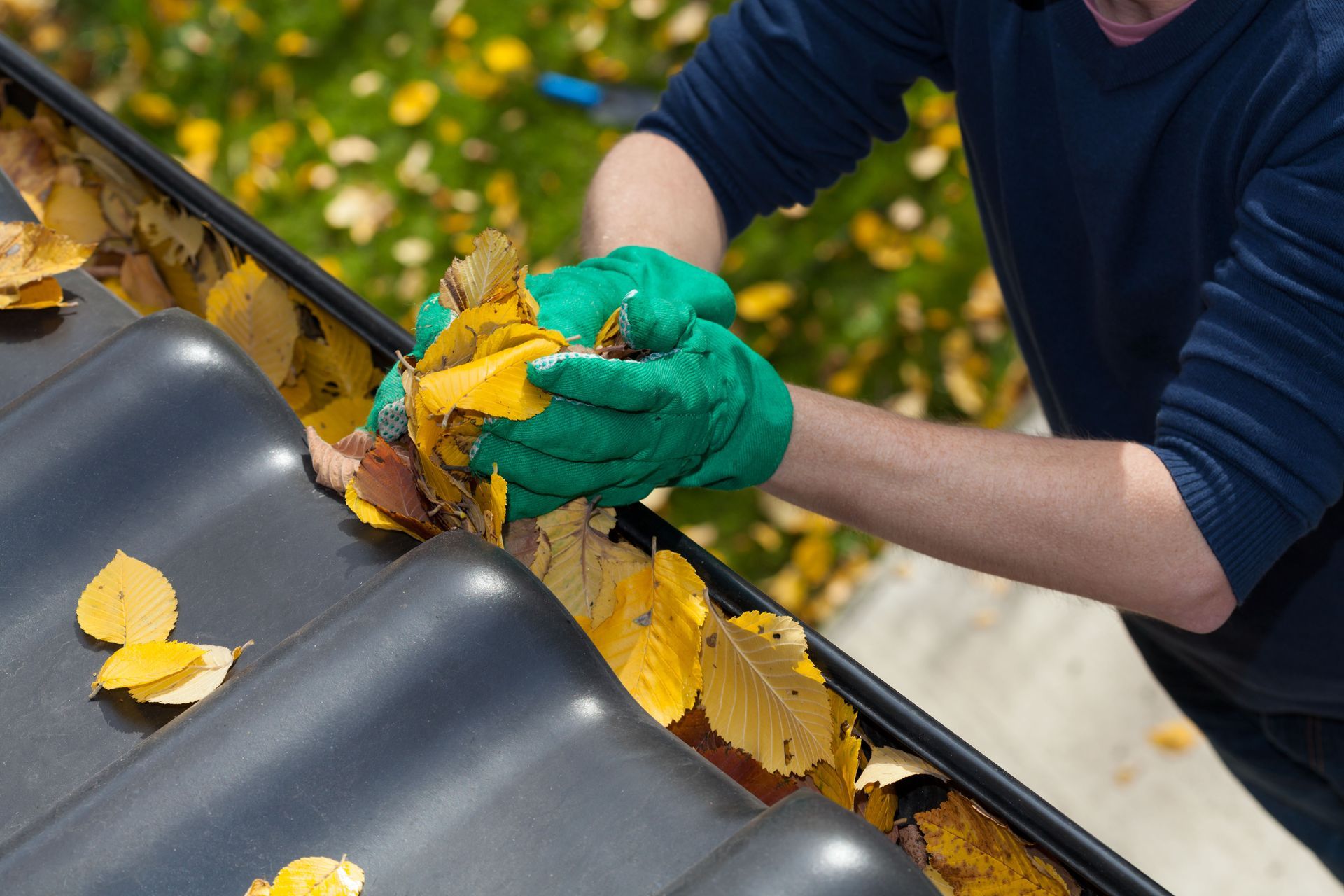
During fall, arborists may prune certain species, remove hazardous branches, and prepare trees for colder temperatures. Winter inspections can identify structural concerns more easily once leaves have dropped from the canopy. Ongoing seasonal care allows arborists to address issues at the appropriate time while promoting consistent tree health year-round.
According to CMI, the deciduous trees segment of the residential tree services market was expected to capture 31.7% share in 2025 alone. By identifying problems early and providing professional care strategies, tree arborists help homeowners protect their trees from damage, decline, and safety hazards. Their expertise supports healthier growth, improved property appearance, and longer tree lifespans. To get started with quality tree services, contact Eden Tree Service today!